The missing contract
Gulf hydrogen and ammonia projects are well supplied with the inputs that usually constrain development: capital, land, solar resource, and sovereign support. The constraint is at the other end. Project finance requires a creditworthy buyer committed for long enough to amortise the debt, and the hydrogen market does not yet reliably produce one.
Why offtake is hard here
Buyers are not yet committed at tenor. Industrial users evaluating hydrogen are early in their own transition, frequently unwilling to commit for fifteen years at a price fixed today when both technology cost and policy support are moving.
Price formation is immature. There is no established reference price to index against. Contracts are negotiated bilaterally, which means each one carries a bespoke pricing mechanism a lender must assess on its own terms.
Policy support sits in the buyer's jurisdiction. Much of the demand depends on subsidy or mandate regimes in importing markets. A project in the Gulf is therefore exposed to policy risk in a country where it has no presence.
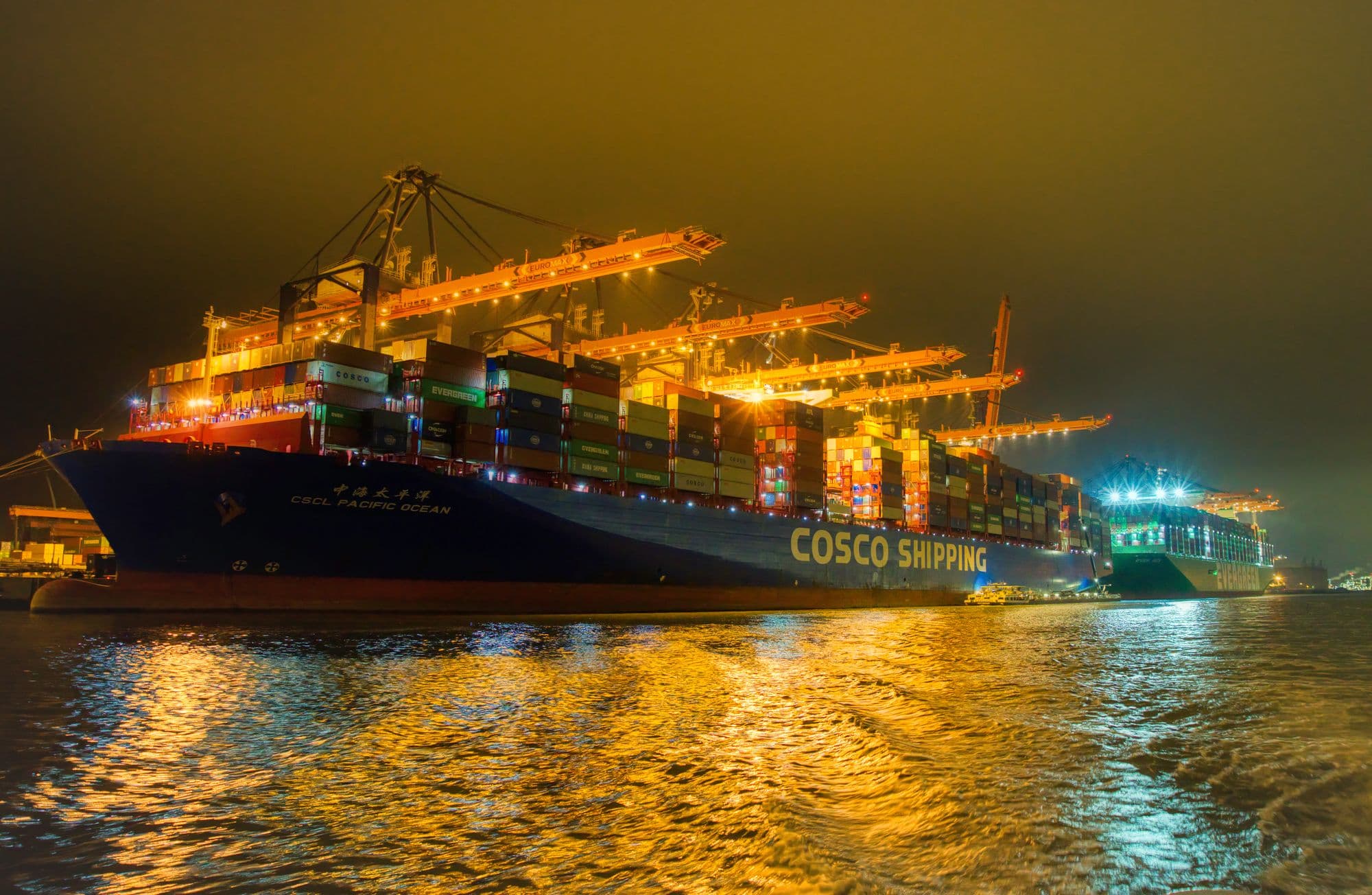
Shipping and conversion. Where the product moves as ammonia and is reconverted, the chain introduces counterparties and cost layers, each of which needs its own contract and each of which can break the economics.
What is being used instead
In the absence of financeable offtake, projects are proceeding on other bases: sponsor balance sheets, sovereign equity, and structures where a state entity effectively takes the offtake risk. These get projects built. They are not project financings in the conventional sense, and the distinction matters when sponsors describe them as such to lenders.
Some structures bridge the gap with shorter initial offtake and a refinancing assumption, or with a floor price mechanism supported by a public entity. Both are workable and both transfer the risk somewhere — the question for a lender is where.
What to establish before structuring
- Whether the offtake genuinely supports debt at the tenor assumed, or only at a shorter one
- How price is formed, and what happens if the reference mechanism changes
- Whether the buyer's obligation survives a change in its own jurisdiction's support regime
- Whether the full chain — production, conversion, shipping, reconversion — is contracted or partially assumed
- If a public entity carries the gap, what instrument records that and how enforceable it is
The sector will get there. Projects structured now should be honest about which risk is being carried by whom, rather than describing sponsor support as bankable offtake.