More providers than most sponsors expect
Credit enhancement in Gulf project finance is not a single market. A sponsor structuring a substantial project usually has four distinct sources available, and the structuring question is which combination the project qualifies for and how they sit together.
Sovereign support. The most direct route, and the most constrained. Government undertakings are granted within policy frameworks that vary by jurisdiction and are rarely open-ended. The relevant question is not whether support exists in principle but who authorises it, under what programme, and what conditions attach.
Regional development institutions. Multilateral and regional development finance is active across the region, with instruments including guarantees, risk-sharing facilities, and direct participation. Their mandates are development-linked, which means eligibility turns on the project's characteristics — sector, impact, and often member-state considerations — not only on its credit.
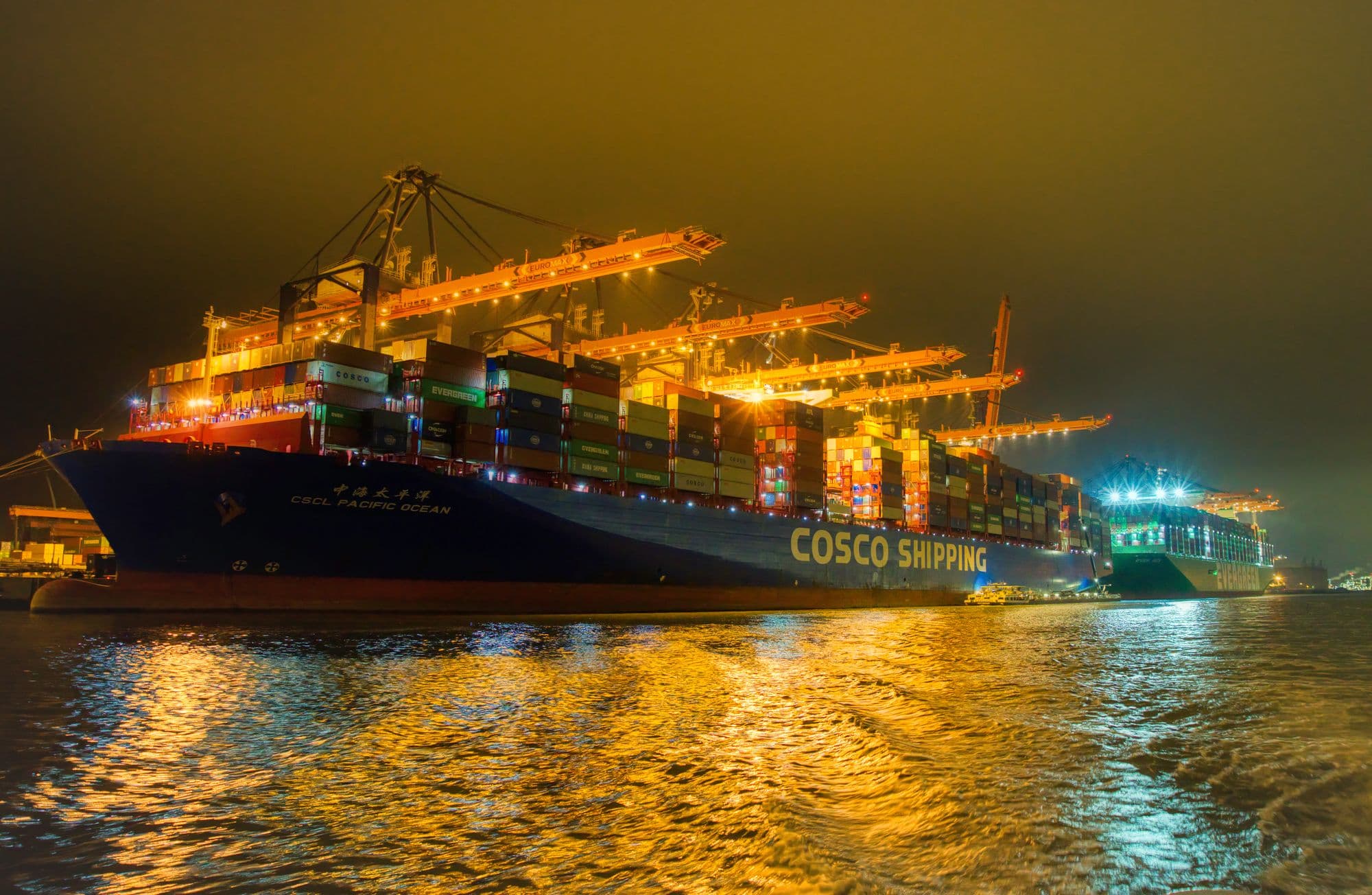
Export credit agencies. For projects importing equipment or contracting services from Europe, Asia, or North America, the supplier's national export credit agency is frequently the largest single source of long-tenor support available. Cover is tied to national content, which makes procurement decisions financing decisions.
Islamic guarantee structures. Where a financing carries Shariah-compliant tranches, credit support must be compatible with them. Structures that operate as conventional guarantees may need to be recast to avoid guaranteeing a return in a way the structure cannot accommodate.
Where they collide
The difficulty is rarely obtaining one instrument. It is combining several.
Eligibility rules are not aligned. A development institution's additionality test asks whether commercial capital would have financed the project anyway — and the presence of substantial export credit cover can be used as evidence that it would. Sequencing these conversations matters.
Documentation standards differ. Each provider has its own required conditions precedent, reporting, and events that suspend cover. Assembled without coordination, these produce a conditions list nobody can satisfy simultaneously.
Enforcement and subrogation. When cover is called, the provider steps into the lender's position. Where multiple guarantors are involved, their respective positions and the order in which they are called must be agreed in advance, not discovered at the point of a claim.
Procurement decides financing
The point most often missed: export credit cover is determined by where equipment and services come from. A procurement decision taken on price alone may remove the largest source of long-tenor support from the financing. Where a project has flexibility on sourcing, that flexibility is worth money — and it should be evaluated with the financing team, not after the fact.
A practical sequence
- Establish which instruments the project is eligible for, before assuming any of them
- Map procurement against export credit availability while sourcing is still open
- Take the additionality conversation with development institutions early
- Build a single conditions precedent schedule across all providers, not one per provider
- Agree enforcement and subrogation between guarantors during documentation
Credit enhancement well assembled extends tenor, lowers cost, and widens the lender group. Assembled late, it produces a structure in which each instrument is individually sound and the combination will not close.